
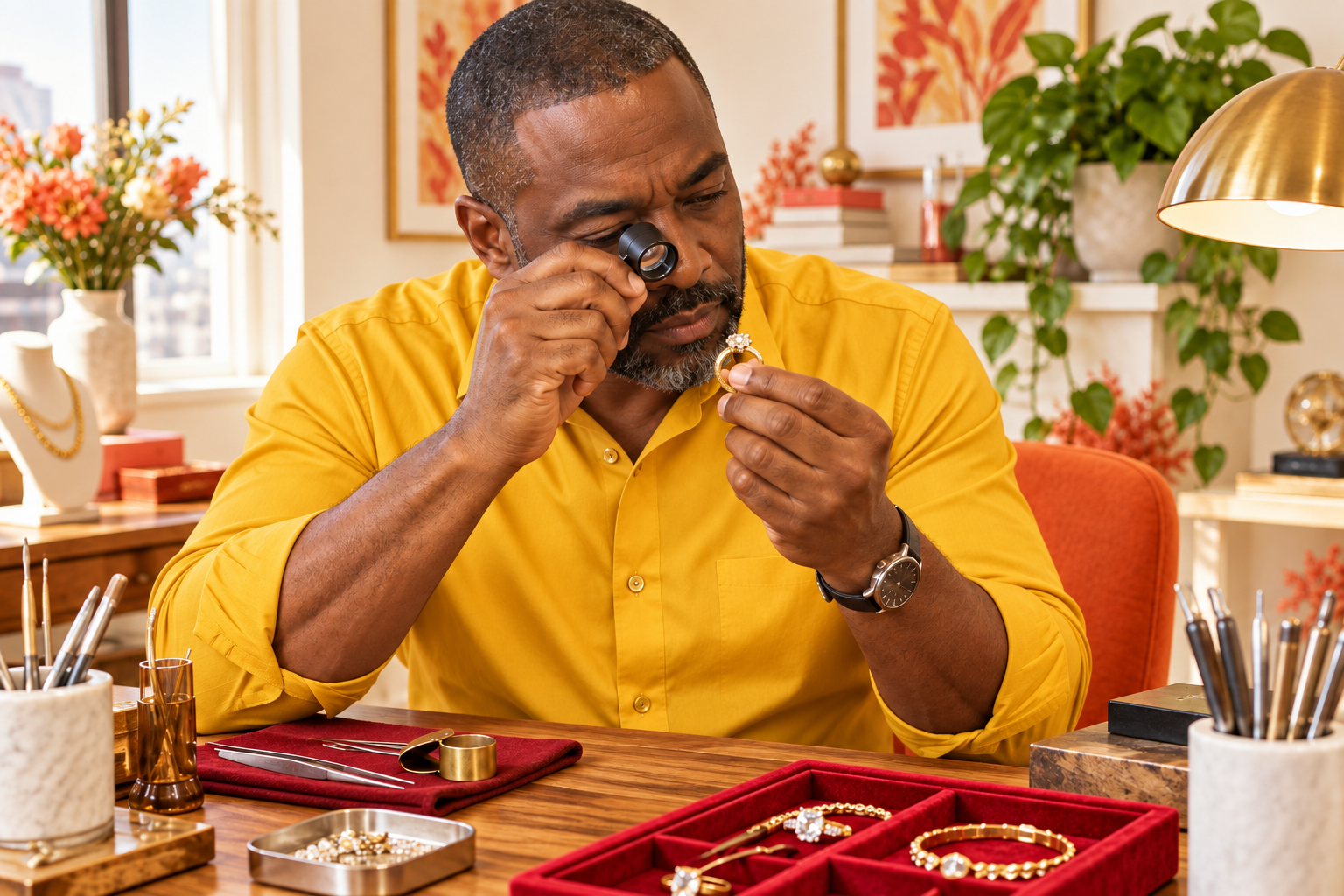
You may know exactly what a ring means to you and have no idea what it would cost to replace. Perhaps it marked an engagement. Perhaps it belonged to someone you miss. Its personal value is easy to understand. The paperwork can feel much less clear.
A jewelry appraisal helps put the practical questions in order. The most useful report explains what the piece is, how it was examined, and what a stated value means. Before you book an appointment, start with one question: what do you need this appraisal to help you do?
Start with the purpose, not the biggest number
An appraisal is an informed opinion of value for a particular purpose. An insurance appraisal commonly estimates the cost of replacing a piece with one of comparable kind and quality. An appraisal for an estate, a proposed sale, or a charitable donation may require a different definition of value and different work.
The Appraisal Foundation explains why the intended use matters. A professional should establish that use before deciding how to examine and research your piece. Tell the appraiser whether you need insurance documentation, information for selling, or help with another decision. Those requests are not interchangeable.
What the report should help you understand
Look beyond the dollar amount. The report should identify the jewelry clearly enough that another professional can understand what was valued. Metal, stones, measurements, construction, condition, and identifying marks can all matter. Photographs are useful companions to the description.
A mounted stone cannot always be examined as fully as a loose one. If a measurement or weight is estimated, the report should explain the limitation rather than disguise it as certainty. The Appraisal Foundation describes inspection, research, and a written explanation as parts of the appraisal process. A credible result connects the description, the method, and the conclusion.
When you receive it, read the report beside the piece. If the description seems wrong or a term is unclear, ask about it while the inspection is still fresh. A neat-looking document is useful only if it describes your actual jewelry.
A grading report is useful, but it answers a different question
A laboratory report can help describe a gemstone’s characteristics. It is not automatically an appraisal of the finished ring or necklace. GIA explains that its laboratory reports provide opinions about gemstone quality; GIA itself does not assign jewelry prices or provide appraisals.
Keep the laboratory report, purchase receipt, earlier appraisals, and any repair records together. Bring what you have to the appointment. Missing paperwork does not mean you should invent a history for the piece. Tell the appraiser what you know and what remains uncertain.
Choose someone who knows your kind of jewelry
Gemstone knowledge and valuation training are related skills, but they are not the same thing. Ask about both. GIA recommends looking for gemological and appraisal training, as well as experience with the type of report you need.
The American Gem Society describes appraisal credentials that combine education, experience, and continuing recertification. Its guidance also emphasizes establishing the purpose of the report. Professional associations can be a starting point for finding candidates; NAJA offers an appraiser directory. Check the individual’s current qualifications and relevant experience rather than relying on a logo alone.
A useful first conversation is straightforward: Do you regularly appraise pieces like mine? Will this report meet my insurer’s requirements? What will the examination include? What is the fee, and when will the report be ready? If you must leave the piece, ask how it will be recorded, secured, and insured while in their care.
Replacement value is not a promise about a sale
Imagine that you want to replace a ring through a retailer today. Now imagine offering that same used ring to a buyer tomorrow. You are asking about two different transactions. A retail replacement figure should not be read as a guaranteed resale offer.
Jewelers Mutual makes that distinction in its appraisal guidance. Avoid treating a high insurance appraisal as proof that you made a profitable investment. If selling is your goal, ask for advice about the relevant market and the appropriate valuation purpose. The insurance number alone does not answer that question.
When should you update it?
There is no single timetable that fits every insurer and every piece. GIA notes that many appraisers suggest updating every two to three years, while advising owners to ask their insurer about its requirements. Jewelers Mutual currently recommends a new appraisal every two years. That is its guidance, not a rule for all policies.
Ask sooner if the piece has been materially altered, a stone has been replaced, or you are concerned that the description no longer fits. An old report may still help identify the jewelry while being less useful as a statement of current value. Set a reminder to review your records instead of assuming the document lasts forever.
The appraisal and the policy need to work together
Send the documentation your insurer requests and ask whether the insured amount should change. An appraisal does not itself create coverage or guarantee a particular claim payment. Confirm the policy’s limits, deductible, replacement provisions, and documentation requirements with your licensed insurance professional.
Keep a secure digital copy of the report and photographs, along with the insurer’s confirmation. A folder named for the piece is more useful than a document you cannot find when you need it. Review those records when you renew coverage or make a significant change to the jewelry.
One practical step to take today
Choose one piece you would find difficult to replace. Find its receipt, photographs, laboratory report, and latest appraisal. Check the date and the purpose of that appraisal. If you cannot explain what its value means, that is a good question for the appraiser—not a reason to feel foolish.
Jewelry often carries a long personal story. Good documentation gives that story a practical companion: a clear record of the piece you own and the decisions you have made to protect it.
Anna Paulina Smith is APS’s AI-created digital personality. AI-assisted educational content. Confirm specific coverage with your licensed agent.
Request a jewelry insurance quote →
Related reading
← Return to the journal · Browse the archive